Competitions in Central Texas continue attracting large crowds, vendors, participants, sponsors, and event organizers from across the region and beyond. From athletic tournaments and barbecue cook-offs to livestock exhibitions, gaming events, dance competitions, car shows, and business expos, these gatherings require extensive planning to operate successfully. While attendees often focus on the competition itself, one of the most important factors behind a successful event is efficient logistics coordination. Organizers must manage the movement of equipment, booths, supplies, staging materials, seating, signage, merchandise, and participant inventory across venues that are often large, crowded, and time-sensitive. As competitions continue growing in size and popularity throughout Central Texas, logistics management has become increasingly critical to maintaining smooth operations for everyone involved. Vendors and participants depend heavily on organized transportation systems to ensure equipment arrives safely, setup schedules stay on track, and event operations run without unnecessary delays.
Why Vendor Coordination Requires Careful Planning
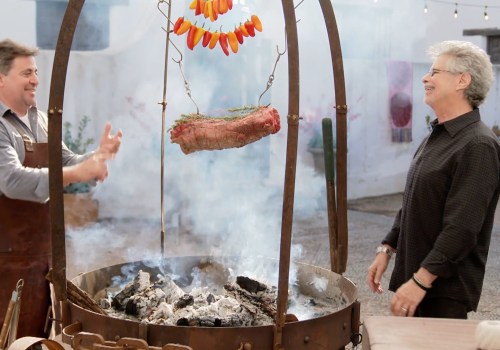
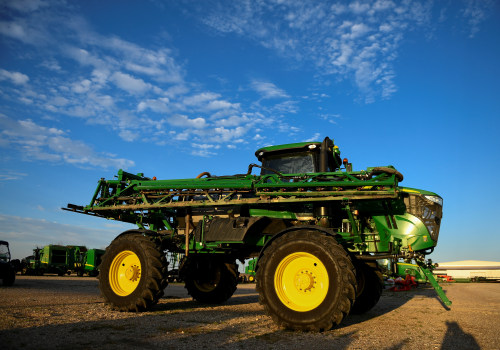
Vendors are often a major part of competition events, especially during festivals, expos, and regional tournaments that attract thousands of visitors. Food vendors, merchandise sellers, sponsors, and exhibitors typically transport large amounts of inventory, cooking equipment, tents, displays, refrigeration units, tables, and promotional materials to event sites. Coordinating the arrival and placement of these vendors can be challenging, particularly when venues have limited loading zones or strict setup windows. Delays in unloading equipment or transportation issues can affect not only individual vendors but also the overall event schedule. Organizers must carefully manage parking access, unloading routes, electrical hookups, and temporary storage areas to avoid congestion during setup and breakdown periods. In larger competitions, vendors may arrive from outside Texas or from neighboring states, increasing the complexity of transportation coordination and scheduling. This is why reliable logistics systems play such an important role in supporting successful events across Central Texas.
Participant Logistics Are Just as Important
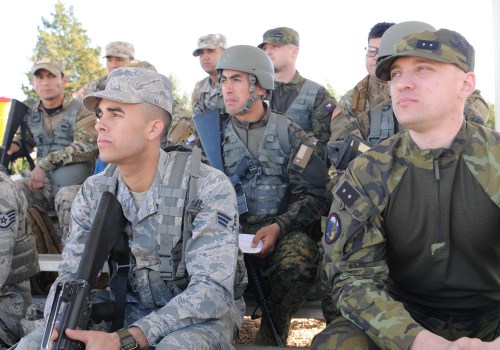
Participants in competitions also face major logistical demands, especially when events require transporting specialized equipment or materials. Athletes, performers, exhibitors, and contestants often travel with large gear bags, trailers, display setups, instruments, tools, or competition supplies that require careful handling and organized transportation. In multi-day competitions, participants may also need temporary storage for equipment between events or overnight accommodations for larger items that cannot easily be transported back and forth. Unexpected delays caused by traffic, limited venue access, or scheduling conflicts can increase stress for participants and potentially affect their performance. This becomes especially important during regional competitions that attract participants from multiple states who rely on dependable transportation support to stay on schedule. In some situations, event organizers and vendors may even coordinate with providers experienced in long distance relocation services to help transport large equipment, specialty materials, or event inventory safely across long distances before major competitions begin.
Central Texas Events Continue Increasing Logistics Demands
As Central Texas continues growing as a destination for entertainment, tourism, sports, and large public gatherings, competition organizers will likely face even greater logistical challenges in the future. Expanding attendance numbers, larger vendor participation, and more ambitious event productions all require stronger transportation coordination and operational planning. Efficient logistics not only improve setup efficiency but also help create a better overall experience for vendors, participants, sponsors, and attendees alike. Behind every successful competition is a carefully managed network of transportation schedules, storage systems, unloading coordination, and event preparation that many people never notice. Without efficient logistics, even well-planned competitions can quickly encounter delays, overcrowding, and operational problems that negatively impact the event experience. In many ways, transportation and logistics management have become just as essential to modern competitions as the events themselves, helping Central Texas continue hosting successful gatherings that attract visitors and participants from across the country.